

The Role of the Chiropractor in Carpal Tunnel Syndrome Recovery
Chiropractors, like Dr. Todd Given, DC at Hudson Sport & Spine, play a vital role in the recovery from carpal tunnel syndrome (CTS) by offering non-invasive treatments that help alleviate pain and improve mobility. We use a combination of manual adjustments, stretches, and strengthening exercises to reduce nerve compression and restore proper function to the wrist and hand. Chiropractic care can also help address underlying musculoskeletal issues that contribute to CTS, such as poor posture or repetitive strain. Contact us for more information or book an appointment online! today. We are conveniently located at 70 Hudson St Suite 2B, Hoboken, NJ 07030.
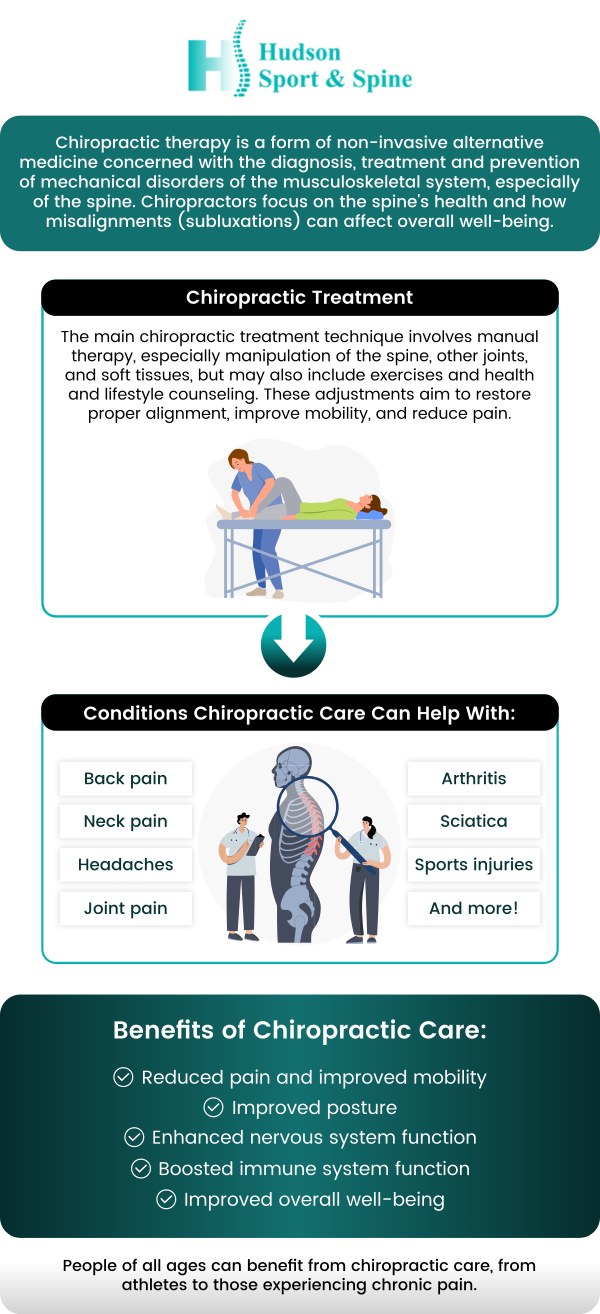

Table of Contents:
How can a chiropractor help diagnose carpal tunnel syndrome?
What chiropractic techniques are commonly used to treat carpal tunnel symptoms?
Can chiropractic care help improve wrist mobility and grip strength?
How long does it typically take to see results from chiropractic care?
Hand & Wrist Pain Solutions: Comprehensive Chiropractic Care for Carpal Tunnel Recovery
A chiropractor begins with a thorough clinical evaluation that goes far beyond simply identifying symptoms. Carpal tunnel syndrome involves compression of the median nerve as it passes through the carpal tunnel — a narrow passageway in the wrist formed by bones and ligaments. However, true median nerve compression can originate from various points along the nerve’s pathway, including the neck, shoulder, forearm, and wrist. Chiropractors assess not only the wrist itself but also the structures that may contribute to increased pressure on the nerve.
The examination typically includes a detailed medical history, physical testing to reproduce symptoms (such as Tinel’s or Phalen’s tests), neurological assessment (checking reflexes, strength, and sensation), and evaluation of posture and upper body mechanics. Sometimes, chiropractors review imaging studies or refer for nerve conduction studies to confirm diagnosis and severity.
Because CTS symptoms can mimic other conditions — such as cervical radiculopathy, tendonitis, or thoracic outlet syndrome — a chiropractor’s comprehensive diagnostic process helps ensure that the true cause of your discomfort is identified. By tracing the median nerve from its origin in the neck down to the fingers, chiropractors can pinpoint whether the issue is isolated to the wrist or if there are contributing factors higher up in the kinetic chain.
Chiropractic care for CTS is not limited to the wrist; it addresses the entire musculoskeletal system that influences nerve function and joint mobility. The goal is to reduce pressure on the median nerve, improve joint function, and restore balanced movement patterns.
One common technique is spinal and extremity adjustment. Gentle manipulations may be applied to the cervical spine, shoulder, elbow, and wrist to improve alignment and nerve mobility. Because tight or misaligned vertebrae or joints can create tension and restrict nerve flow, adjustments help release that tension and enhance neural communication.
Soft tissue therapies, such as instrument-assisted soft tissue mobilization (IASTM), myofascial release, and therapeutic massage, are often used to treat tight forearm muscles and connective tissues that can compress the median nerve. These treatments improve circulation, decrease inflammation, and break up adhesions that restrict movement.
Other techniques may include joint mobilization, nerve gliding exercises, and therapeutic stretching. Nerve gliding (neurodynamics) specifically trains the median nerve to move more freely within its pathway, reducing entrapment and improving symptoms.
Chiropractors may also recommend ergonomic adjustments and activity modifications to minimize repetitive strain, along with supportive tools like wrist braces or taping during the healing process.
Yes. One of the primary benefits of chiropractic care for carpal tunnel syndrome is the improvement of wrist mobility and grip strength, which are often compromised by pain, inflammation, and nerve irritation. Reduced mobility can lead to compensatory movement patterns, which further exacerbate symptoms. Chiropractors focus on restoring joint range of motion and muscle function so that the wrist can move freely without compressing the median nerve.
As pressure on the nerve decreases and local inflammation subsides, many patients notice a gradual return of normal sensation, stronger grip, and improved fine motor skills. This improvement does not happen overnight but is the result of consistent treatment that supports proper biomechanics and neuromuscular function.
In addition to hands-on techniques, chiropractors often prescribe tailored exercises to reinforce strength gains and maintain flexibility. These exercises may include gentle wrist rotations, tendon gliding, and resistance work designed to rebuild the muscles around the wrist and forearm without irritating the nerve.
The timeline for improvement varies depending on how long symptoms have been present, the severity of median nerve compression, and individual health factors such as age, overall fitness, and daily activities. Some patients experience relief within a few sessions, particularly if symptoms are mild and caught early. Others with long-standing or more severe CTS may require a more extended course of care.
In general, patients often notice improvements in numbness, tingling, and discomfort within 2–6 weeks of consistent chiropractic treatment. Improvements in strength, dexterity, and endurance may follow as inflammation decreases and mobility improves.
In cases of advanced or chronic CTS, chiropractic care is still valuable in reducing reliance on medications and delaying or preventing the need for surgical intervention. Progress is typically measured through regular reassessment of symptoms, grip strength testing, and functional improvements in daily tasks.
At Hudson Sport & Spine, Dr. Givens and our chiropractic team take a holistic approach to carpal tunnel syndrome that looks at the entire upper limb and spine, not just the wrist. We understand that true relief comes from addressing the underlying causes of nerve compression rather than simply masking symptoms.
Your personal care plan may begin with a detailed diagnostic evaluation to determine whether CTS is present and to assess whether other factors, such as neck tension or postural imbalances, are contributing to your pain. From there, targeted chiropractic techniques — including adjustments, soft tissue therapy, rehabilitation exercises, and ergonomic guidance — are used to reduce nerve irritation and restore healthy movement.
Throughout your care, we emphasize education and self-care strategies that support long-term wellness. Many patients find that lifestyle changes, posture adjustments, and proper wrist mechanics — combined with professional chiropractic care — lead to lasting improvements and reduced pain.
Whether your symptoms are new or have persisted despite previous treatments, chiropractic care offers a non-invasive, evidence-based path to recovery. Our goal is to empower you to regain wrist function, strengthen your grip, and return to the activities you enjoy without constant discomfort. Contact us for more information or book an appointment online! today. We are conveniently located at 70 Hudson St Suite 2B, Hoboken, NJ 07030. We serve patients from Hoboken NJ, Jersey City NJ, Weehawken NJ, West New York NJ, Guttenberg NJ, Secaucus NJ, Harrison NJ, Kearny NJ, Newark NJ, Belleville NJ, North Bergen NJ and Lyndhurst NJ.



 Send Text
 How May I Help You?